How Air Sampling Uncovers Hidden Mold in Your Vista Home
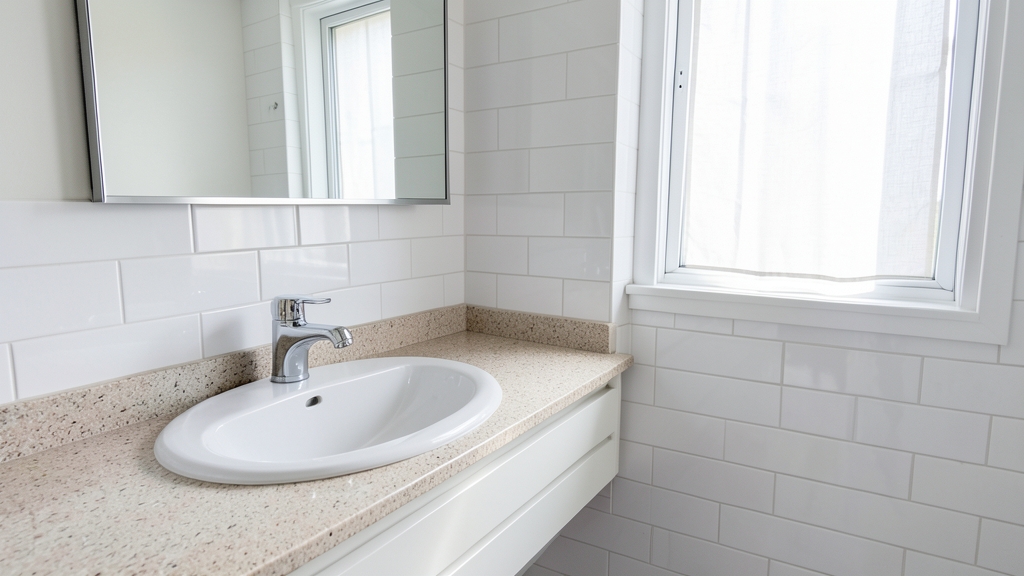
Hidden mold thrives where you can’t see it—behind drywall, under flooring, or in ductwork. Air sampling is the most reliable way to detect airborne spores and pinpoint contamination before it spreads. We use this method daily in Vista to protect homes from unseen damage.
Why Air Sampling Beats Visual Inspections Alone
Visual checks catch surface mold, but spores often linger invisibly in the air. Air sampling captures these microscopic particles, revealing hidden colonies in walls, crawl spaces, or HVAC systems.
In Vista’s coastal climate, humidity fuels mold growth in areas like attics and basements. Without sampling, you might miss early-stage infestations that visual inspections overlook.
Viable vs. Non-Viable Sampling: What’s the Difference?
Non-viable sampling (like spore traps) collects all airborne particles, dead or alive. It’s quick, cost-effective, and ideal for identifying spore types and concentrations in your home.
Viable sampling cultures live spores to determine if they can grow. It’s more precise for species identification but takes longer and costs more. We often use both for a complete picture.
| Method | Speed | Cost | Best For |
|---|---|---|---|
| Non-Viable (Spore Trap) | Fast (24-48h) | Lower | General spore count, broad identification |
| Viable (Culture-Based) | Slower (5-7 days) | Higher | Species confirmation, live spore analysis |
Where Hidden Mold Hides in Vista Homes
Attics are prime targets due to poor ventilation and roof leaks. In Oceanside and Carlsbad, we frequently find mold in attic insulation and sheathing after moisture intrusions.
Crawl spaces and basements trap humidity, especially in older Vista neighborhoods. Water damage from plumbing leaks or poor drainage creates ideal conditions for unseen colonies.
HVAC systems can distribute spores throughout your home. Without air sampling, mold in ductwork often goes undetected until it affects indoor air quality.
A persistent musty smell often signals hidden mold. Even if you can’t see it, air sampling can confirm its presence and guide remediation.
The Air Sampling Process: What to Expect
We start with a thorough inspection, using moisture meters to identify problem areas. This helps us determine where to place air sampling pumps for the most accurate results.
Samples are collected indoors and outdoors. Outdoor samples serve as a baseline to compare indoor spore levels, which should ideally be similar or lower than outside.
Lab analysis follows, where spores are counted and identified under a microscope. Results help us map the extent of contamination and tailor a remediation plan.
When to Schedule Air Sampling in Vista
After water damage—even if it seems dry—mold can start growing within 24-48 hours. Sampling confirms whether spores are present before they spread.
Before purchasing a home, especially in flood-prone areas like San Marcos or Escondido. Hidden mold can lead to costly repairs and health issues for new owners.
If occupants experience unexplained allergies, respiratory issues, or fatigue. These symptoms often indicate poor indoor air quality due to mold.
Signs You Need Air Sampling
- Unexplained musty odors
- Recent water damage or leaks
- Visible mold in one area (could indicate more hidden growth)
- Health symptoms that improve when away from home
- High humidity or condensation on windows
Interpreting Air Sampling Results
Lab reports detail spore counts (spores per cubic meter) and types. Elevated levels of certain spores, like Aspergillus or Stachybotrys, signal active mold growth.
We compare indoor and outdoor samples. If indoor counts are significantly higher, it confirms an issue. Species like Chaetomium or Fusarium often indicate water damage.
Results guide our remediation strategy. For example, high counts in a crawl space may require encapsulation, while HVAC mold might need duct cleaning.
Ask your technician to explain spore types and counts. Some spores are harmless, but others may pose health risks.
How Air Sampling Fits Into Full Mold Remediation
Sampling is the first step in our process. Once we identify the mold type and extent, we contain the area, remove contaminated materials, and use HEPA filtration to clean the air.
Post-remediation verification (PRV) sampling ensures the job is done. We retest to confirm spore levels are back to normal, giving you peace of mind.
In commercial properties, regular air quality testing helps maintain a healthy environment for employees and customers, especially in high-moisture areas.
How to Prepare for Professional Air Sampling
A few simple steps ensure accurate results and a smooth process.
- 1Clear the Area
Remove clutter and pets from sampling zones. This prevents interference with air flow and spore collection.
- 2Avoid Cleaning
Don’t clean or use air purifiers 24 hours before sampling. This ensures natural spore levels are captured.
- 3Close Windows and Doors
Seal the home 12 hours prior to testing. This stabilizes indoor air and provides consistent baseline data.
- 4Turn Off HVAC (If Advised)
Your technician may ask you to shut down heating or cooling systems to prevent spores from spreading during sampling.
- 5Provide Access
Ensure access to attics, crawl spaces, and other tight areas where samples may be taken.
Frequently Asked Questions
How accurate is air sampling for detecting mold in Vista homes?
Air sampling is highly accurate when performed by professionals. It detects spores that visual inspections miss, especially in hidden areas like ductwork or behind walls. However, it must be paired with a thorough inspection for best results.
Can air sampling tell me what type of mold I have?
Yes, but the method matters. Non-viable sampling identifies spore types broadly, while viable sampling can confirm species. For health concerns, species identification (like Stachybotrys) is critical.
Is air sampling necessary if I already see mold?
Absolutely. Visible mold often means there’s more you can’t see. Air sampling helps determine if spores have spread to other areas, guiding a comprehensive remediation plan.
How often should I test for mold in my Vista home?
Test after any water damage, before buying a home, or if you notice musty odors or health symptoms. In high-humidity areas, annual testing can help catch issues early, especially in crawl spaces or attics.
Does air sampling work for commercial buildings in Carlsbad or Oceanside?
Yes. Commercial air sampling follows the same principles but may require more samples due to larger spaces. It’s essential for maintaining indoor air quality in offices, schools, and retail spaces.
What’s the difference between air sampling and surface sampling for mold?
Air sampling detects airborne spores, while surface sampling (like tape lifts) identifies mold on materials. We often use both: air sampling for hidden mold and surface sampling to confirm contamination on specific areas.