Commercial Mold Remediation Costs in Vista: What Businesses Should Expect
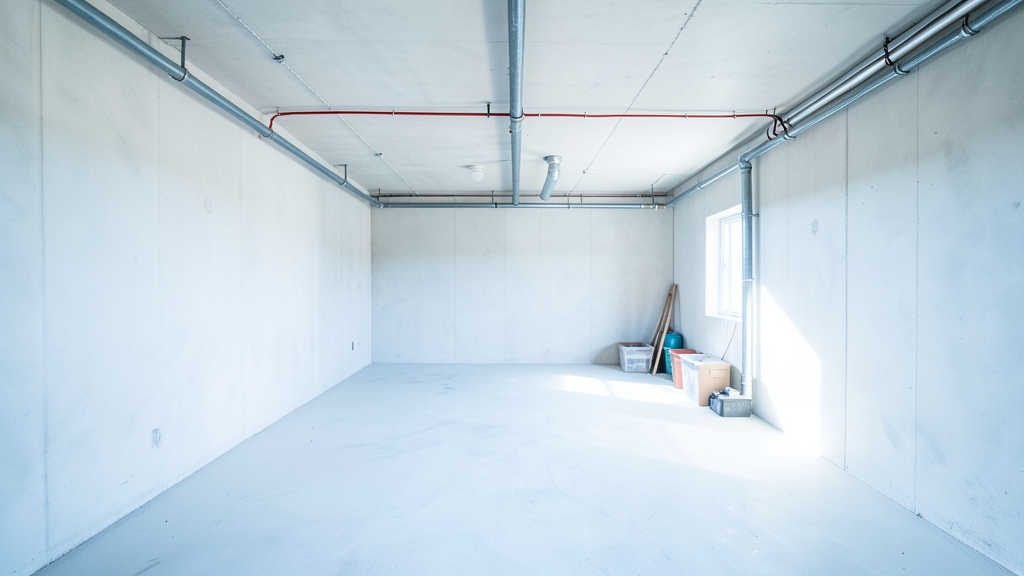
Commercial mold isn’t just a health hazard—it’s a liability. For Vista businesses, the cost of remediation hinges on scope, mold type, and how deeply it’s embedded in building materials. We break down what drives expenses and how to budget smartly.
Why Commercial Mold Remediation Costs Vary So Much
No two commercial mold jobs are identical. Costs swing widely based on the square footage affected, the severity of infestation, and whether mold has infiltrated HVAC systems or structural components like drywall, insulation, or subflooring.
In Vista’s coastal climate, high humidity and occasional water intrusion from leaks or poor ventilation accelerate mold growth. Businesses near Oceanside or Carlsbad often face similar challenges due to proximity to the ocean and seasonal moisture spikes.
Key Factors That Influence Your Final Bill
The type of mold matters. Common species like Cladosporium or Aspergillus are less costly to remediate than toxic black mold (Stachybotrys), which demands stricter containment and disposal protocols.
Accessibility plays a huge role. Mold in open office spaces is easier (and cheaper) to treat than in tight crawl spaces, attics, or behind walls. We often see this in older buildings in San Marcos or Escondido, where hidden moisture has festered for years.
The need for structural repairs post-remediation—replacing drywall, insulation, or flooring—adds to the tab. Water damage restoration may be required first if the source isn’t addressed.
| Mold Scenario | Complexity Level | Relative Cost Impact |
|---|---|---|
| Surface mold on non-porous materials (e.g., metal, glass) | Low | Lowest |
| Mold on drywall or ceiling tiles (limited area) | Moderate | Moderate |
| Mold in HVAC ducts or behind walls | High | High |
| Toxic black mold in large or hard-to-reach areas | Very High | Highest |
| Mold with water damage requiring restoration | Very High | Highest |
Typical Cost Ranges: What to Anticipate
While we can’t quote exact numbers without an inspection, commercial mold remediation in Vista generally scales with the size of the affected area and the work required. Small, contained issues may resolve quickly, while large-scale infestations demand extensive labor and equipment.
Costs also rise if mold testing and air quality assessments are needed to confirm the scope. These are critical for commercial spaces to ensure compliance and safety, especially in multi-tenant buildings.
Mold remediation isn’t like painting a wall. Every project requires a tailored approach based on inspection findings. Request a quote to get an accurate estimate.
Hidden Costs Many Businesses Overlook
Downtime is a major expense. If your Vista business must close during remediation, lost revenue can dwarf the remediation bill itself. We work efficiently to minimize disruptions, but some spaces require temporary relocation.
Post-remediation verification is another often-forgotten cost. Independent mold testing ensures the job is done right and may be required for insurance or regulatory purposes, particularly in industries like healthcare or food service.
Long-term prevention measures—such as improved ventilation, dehumidifiers, or moisture barriers—add upfront costs but save significantly over time by stopping recurrence.
Commercial Spaces Most at Risk in Vista
Restaurants and food processing facilities are hotspots due to high humidity, grease, and organic matter. Mold thrives in kitchens, walk-in coolers, and behind equipment.
Offices with poor HVAC maintenance or water leaks (common in older buildings) often develop hidden mold in ductwork or wall cavities. We’ve seen this frequently in Carlsbad and San Marcos commercial districts.
Warehouses and storage units with concrete floors can trap moisture, leading to mold on stored goods or pallets. Basements and crawl spaces in Escondido or Vista’s inland areas are also prime targets.
Signs Your Commercial Space Needs Mold Remediation
- Visible mold growth on walls, ceilings, or floors
- Musty odors that persist despite cleaning
- Unexplained health complaints from employees (e.g., allergies, respiratory issues)
- Past water damage or leaks that weren’t fully dried
- High humidity levels (above 60%) in enclosed spaces
The Remediation Process: What to Expect
We start with a thorough mold inspection and testing to identify the species and extent of the infestation. This step is non-negotiable for commercial properties.
Containment is critical. We use physical barriers and negative air pressure to prevent spores from spreading during removal. HEPA air scrubbers run continuously to capture airborne particles.
Porous materials like drywall and insulation are often removed and replaced, while non-porous surfaces are cleaned with antimicrobial solutions. All debris is sealed and disposed of according to local regulations.
Commercial mold isn’t a weekend project. Improper removal can spread spores, worsen contamination, and void insurance claims. Always hire qualified experts.
How to Reduce Long-Term Mold Remediation Costs
Proactive moisture control is the best defense. Regularly inspect roofs, pipes, and HVAC systems for leaks. In Vista’s climate, even small drips can lead to big problems over time.
Invest in dehumidifiers for basements, crawl spaces, and storage areas. Aim to keep indoor humidity below 50% to starve mold before it starts.
Schedule annual mold inspections, especially if your business is in a high-risk industry or an older building. Early detection saves thousands in remediation and downtime.
How to Prepare Your Vista Business for Mold Remediation
A little prep work can streamline the process and reduce costs.
- 1Clear the Area
Remove all movable items (furniture, equipment, inventory) from the affected space. This gives our team unobstructed access and protects your assets from contamination.
- 2Shut Down HVAC Systems
Turn off heating, cooling, and ventilation to prevent spores from spreading through ducts. This is critical for containment.
- 3Identify and Fix Moisture Sources
If possible, address the root cause—leaky pipes, roof issues, or poor drainage—before remediation begins. This prevents mold from returning.
- 4Communicate with Employees
Inform staff about the timeline and any temporary relocations. Transparency reduces disruptions and ensures safety.
- 5Arrange for Post-Remediation Testing
Schedule independent air quality testing to confirm the space is safe before reopening. This step is often required for commercial properties.
Frequently Asked Questions
Does insurance cover commercial mold remediation in Vista?
It depends on your policy. Most standard commercial property insurance excludes mold unless it’s a direct result of a covered peril (e.g., a burst pipe). Review your policy or consult your broker—some carriers offer mold endorsements.
How long does commercial mold remediation take?
Small, contained jobs may wrap in 1–2 days, while large or complex projects (e.g., HVAC contamination or extensive water damage) can take 1–2 weeks. We provide a timeline after the initial inspection.
Can mold return after remediation?
Yes, if the moisture source isn’t addressed. That’s why we emphasize fixing leaks, improving ventilation, and monitoring humidity. Our mold prevention services help Vista businesses stay mold-free long-term.
Is mold testing necessary before remediation?
For commercial spaces, yes. Testing identifies the mold type and spore count, which dictates the remediation protocol. It’s also useful for post-remediation verification to confirm the space is safe.
Do you serve businesses outside Vista, like Oceanside or San Marcos?
Absolutely. We provide commercial mold remediation, testing, and prevention services across North County, including Oceanside, Carlsbad, San Marcos, and Escondido. Local expertise matters—we understand the region’s unique climate challenges.
What’s the difference between mold removal and mold remediation?
Removal refers to physically eliminating mold from surfaces, while remediation addresses the root cause and prevents recurrence. True remediation includes containment, cleaning, repairs, and moisture control—critical for commercial properties to avoid liability.