Mold-Related Headaches and Memory Issues: What Vista Residents Should Know
Persistent headaches and brain fog aren’t just stress—they could signal mold exposure. In our coastal climate, hidden mold in walls, attics, or crawl spaces releases mycotoxins that may affect memory and focus. We’ll break down the science, the signs, and the steps to protect your home and health.
How Mold Exposure Affects the Brain
Mycotoxins from certain molds, like Stachybotrys (black mold), can cross the blood-brain barrier. Once there, they may trigger inflammation linked to headaches, fatigue, and difficulty concentrating.
Volatile organic compounds (VOCs) released by mold also irritate the nervous system. Prolonged exposure in poorly ventilated spaces—common in older Vista homes—can worsen cognitive symptoms over time.
Common Cognitive and Neurological Symptoms
Short-term memory lapses, trouble focusing, and unexplained mood swings often surface first. These can mimic stress or lack of sleep, delaying the connection to mold.
Chronic headaches, often worse indoors, are another red flag. If symptoms improve when you leave the house, mold could be the culprit.
Signs Your Symptoms May Be Mold-Related
- Symptoms ease when you’re away from home
- Headaches or brain fog worsen in specific rooms
- Musty odors linger, especially after rain
- Visible mold or past water damage in the property
Where Mold Hides in Vista Homes
Our humid springs and mild winters create ideal conditions for mold. Attics with poor ventilation trap moisture, while crawl spaces in neighborhoods near the San Luis Rey River often flood seasonally.
Basements in older homes, especially near Oceanside or San Marcos, are prone to water intrusion. Even HVAC systems can spread spores if ducts harbor mold from past leaks.
Mold vs. Other Indoor Air Contaminants
Not all indoor air issues stem from mold. Dust mites, pet dander, or off-gassing from new materials can cause similar symptoms. The key difference? Mold thrives in dampness and often emits a distinct musty smell.
| Contaminant | Primary Source | Common Symptoms | Detection Method |
|---|---|---|---|
| Mold (e.g., Stachybotrys, Aspergillus) | Water-damaged materials, high humidity | Headaches, memory issues, respiratory irritation, musty odor | Visual inspection, air quality testing, moisture meters |
| Dust Mites | Fabrics, carpets, upholstery | Sneezing, itchy eyes, asthma-like symptoms | Allergy testing, microscopic analysis |
| VOCs (from paints, cleaners) | New furnishings, cleaning products, building materials | Dizziness, nausea, eye/nose/throat irritation | Air quality testing, product inventories |
| Carbon Monoxide | Faulty heating systems, gas appliances | Headache, confusion, flu-like symptoms | CO detectors, professional inspection |
When to Seek Professional Mold Inspection
If you or your family experience unexplained cognitive symptoms, don’t wait. A mold inspection uses moisture meters, thermal imaging, and air sampling to uncover hidden growth.
We often find mold in attics after roof leaks or behind drywall in bathrooms with chronic humidity. Early detection prevents structural damage and health risks.
Avoid touching or bleaching mold—this can release more spores into the air. Leave sampling and remediation to trained professionals with proper PPE and containment protocols.
The Mold Remediation Process: What to Expect
Proper remediation starts with containment. We seal off the affected area with plastic barriers and use negative air pressure to prevent spore spread during removal.
Porous materials like drywall or insulation are often removed, while non-porous surfaces are cleaned with antimicrobial treatments. HEPA air scrubbers and dehumidifiers ensure the space stays dry and spore-free.
Preventing Mold Regrowth in Coastal Climates
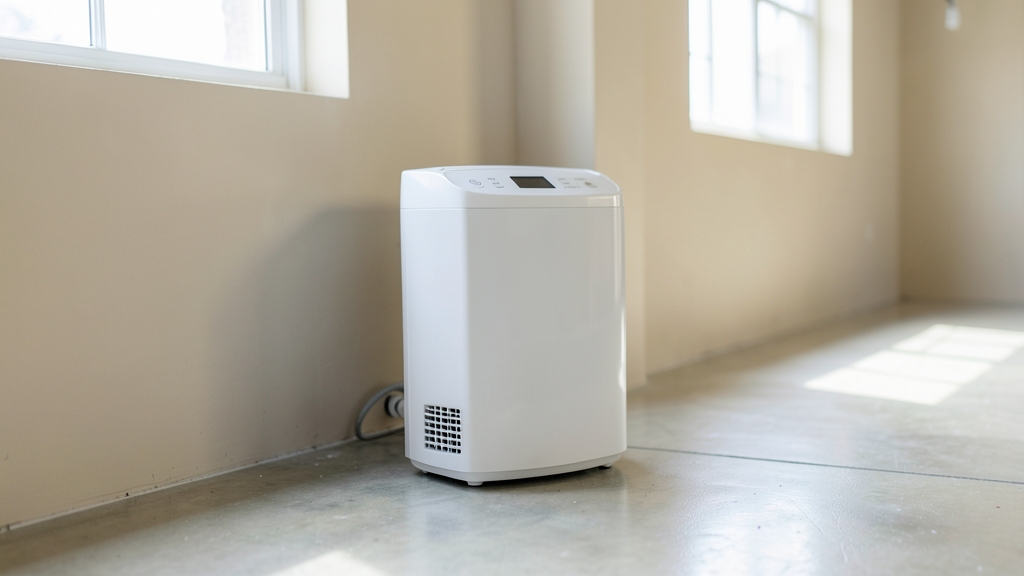
Controlling humidity is critical. Aim for 30–50% indoor humidity—dehumidifiers help in damp areas like basements or crawl spaces. Fix leaks promptly, even small ones in kitchens or bathrooms.
Improve airflow with exhaust fans in high-moisture rooms. Regular HVAC maintenance, including duct cleaning, prevents spores from circulating through your home.
In Vista’s wetter months, check for condensation on windows and pipes. Use moisture-resistant paint in basements and ensure gutters direct water away from your foundation.
Long-Term Health and Home Protection
After remediation, air quality testing confirms the mold is gone. We also recommend periodic inspections, especially if your home has a history of water damage or is in a flood-prone area near Escondido or Carlsbad.
Investing in moisture barriers for crawl spaces and attic ventilation systems can save thousands in future remediation costs. More importantly, it safeguards your family’s health.
How to Safely Check for Mold in Your Home
If you suspect mold but aren’t ready for a professional inspection, follow these steps to investigate cautiously.
- 1Follow Your Nose
Mold often has a musty, earthy odor. Trace the smell to its source—common areas include under sinks, behind appliances, or in basements and attics.
- 2Look for Visual Signs
Check for discoloration (black, green, white, or gray spots) on walls, ceilings, or floors. Pay attention to areas with past water damage or high humidity.
- 3Inspect for Water Intrusion
Look for water stains, peeling paint, or warped flooring. These indicate moisture problems that could lead to mold growth.
- 4Use a Moisture Meter
A basic moisture meter (available at hardware stores) can help identify damp materials. Readings above 20% in wood or 1% in drywall suggest excess moisture.
- 5Monitor Your Symptoms
Keep a log of when and where symptoms occur. If they worsen in specific areas of your home, it’s a strong sign of localized mold exposure.
- 6Avoid DIY Removal
If you find mold, resist the urge to clean it yourself. Disturbing mold can release spores. Instead, contact a professional for testing and remediation.
Frequently Asked Questions
Can mold exposure cause permanent memory problems?
Prolonged exposure to mycotoxins may lead to long-term cognitive issues in some individuals. The good news is that symptoms often improve once the mold is removed and exposure stops. Early action is key.
Why do I only feel sick at home in Vista?
If symptoms subside when you’re away, your home likely has elevated mold spores or other indoor pollutants. Coastal homes are especially prone to hidden mold due to humidity and occasional water intrusion.
Is black mold the only type that causes health problems?
No. While Stachybotrys (black mold) is well-known for its potential toxicity, other common molds like Aspergillus, Penicillium, and Cladosporium can also trigger headaches, respiratory issues, and cognitive symptoms.
How do I know if my headaches are from mold or something else?
Mold-related headaches often worsen indoors and improve outdoors. They may be accompanied by other symptoms like brain fog, sinus congestion, or fatigue. A mold inspection and air quality test can provide clarity.
Can mold grow in my HVAC system?
Yes. If your HVAC system has moisture buildup—common in humid areas like Vista—mold can grow in ducts, coils, or drip pans. This spreads spores throughout your home every time the system runs.
What should I do if I find mold in my rental property?
Document the issue with photos and notify your landlord immediately. In California, landlords are generally responsible for addressing mold problems that affect health and safety. Request a professional inspection and remediation.