Understanding Mold Remediation Costs in Vista and How Insurance Can Help
Mold remediation costs in Vista vary widely based on the scope, type of mold, and affected areas. Our team breaks down what drives pricing and how homeowners insurance might offset expenses for local properties.
Why Mold Remediation Costs Vary in Coastal Areas Like Vista
Vista’s Mediterranean climate—mild, wet winters and warm, dry summers—creates ideal conditions for mold growth, especially in poorly ventilated spaces. Coastal humidity lingers longer inland than many expect, accelerating infestations.
Costs hinge on the extent of contamination, the mold species, and whether it’s hidden behind walls or in HVAC systems. Surface mold is cheaper to address than systemic growth in attics or crawl spaces.
Key Factors That Influence Your Remediation Estimate
The square footage of affected area is the primary cost driver. Small, contained patches in bathrooms or under sinks are far less expensive than whole-home or attic remediation.
Material type matters: porous surfaces like drywall or insulation often require removal, while non-porous materials (tile, glass) may only need cleaning. This impacts labor and disposal fees.
Accessibility plays a role. Crawl spaces in older Vista homes or tight attics in San Marcos and Escondido require specialized equipment, adding to the project’s complexity and cost.
Mold type can also shift the approach. Toxic black mold (Stachybotrys) demands stricter containment and disposal protocols than common household molds, increasing labor and safety measures.
| Mold Type / Location | Complexity | Typical Approach |
|---|---|---|
| Surface mold (bathroom tile, grout) | Low | HEPA vacuuming, antimicrobial cleaning |
| Attic mold (from roof leaks) | Moderate to High | Containment, removal of damaged insulation, air scrubbing |
| Black mold (Stachybotrys) in drywall | High | Full containment, HEPA filtration, material removal, antimicrobial treatment |
| Crawl space mold (high humidity) | Moderate to High | Moisture control, encapsulation, dehumidification, material removal |
| HVAC system mold | High | System shutdown, duct cleaning or replacement, fogging with antimicrobials |
Does Homeowners Insurance Cover Mold Remediation in Vista?
Coverage depends on the cause. Most standard policies cover mold damage if it results from a ‘covered peril,’ like a burst pipe or storm damage. Neglect or long-term moisture issues are typically excluded.
In California, insurers often cap mold remediation payouts. Some policies limit coverage to $5,000–$10,000, while others exclude it entirely unless you’ve added a rider.
Documentation is critical. We recommend photographing the damage, saving receipts for water damage restoration, and getting a professional mold inspection report to support your claim.
Never attempt DIY remediation before filing a claim. Improper handling can worsen the problem and give insurers grounds to deny coverage.
The Hidden Costs of DIY Mold Removal
Store-bought cleaners may kill surface mold but often fail to address spores or hidden colonies. Without proper containment, you risk spreading contamination to other areas of your home.
Improper removal can also expose you to health risks. Disturbing toxic mold without PPE or HEPA filtration can release spores into the air, aggravating allergies, asthma, or respiratory conditions.
DIY efforts rarely include moisture control. Without fixing the root cause—leaks, poor ventilation, or high humidity—mold will return, leading to repeated expenses.
For very small, non-toxic mold patches (under 10 sq. ft.) on non-porous surfaces, a bleach solution or vinegar can be effective—if you also address the moisture source.
What to Expect During a Professional Mold Remediation Project
First, we conduct a thorough mold inspection and air quality testing to identify the extent and type of contamination. This step is non-negotiable for accurate remediation.
Next, we set up containment barriers to isolate the affected area and prevent spore spread. Negative air pressure and HEPA air scrubbers are standard for larger jobs.
Damaged materials are safely removed and disposed of according to California regulations. Non-porous surfaces are cleaned with antimicrobial solutions, and the area is dried thoroughly.
Finally, we perform clearance testing to confirm spore levels are back to normal. This ensures the remediation was successful and your home is safe.
How to Prevent Future Mold Growth in Vista Homes
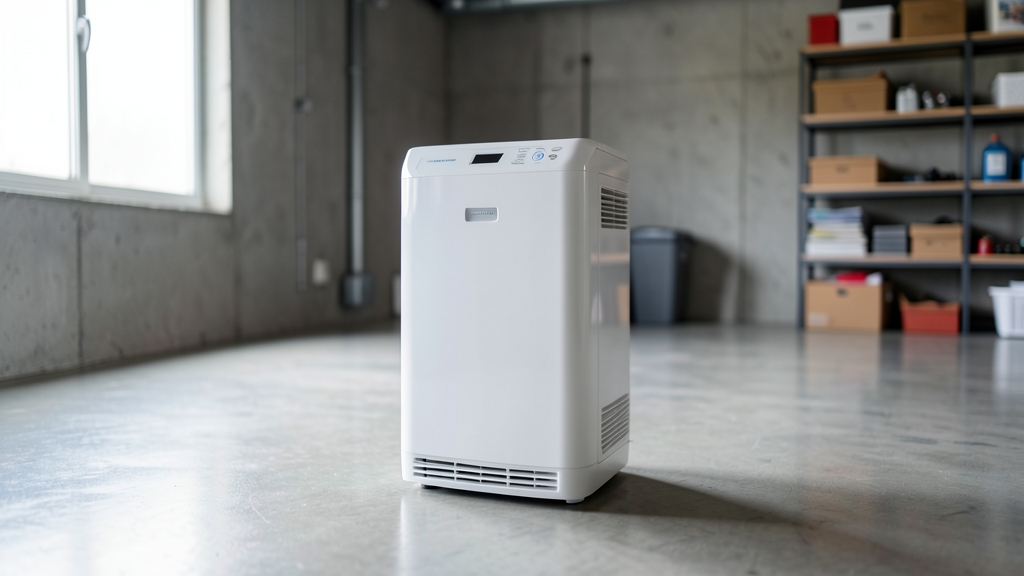
Control humidity levels. Aim for 30–50% indoors; use dehumidifiers in basements or crawl spaces, especially during Vista’s damp winters.
Improve ventilation. Exhaust fans in bathrooms and kitchens, plus attic vents, help reduce moisture buildup. Open windows when weather permits.
Address leaks immediately. Even small drips from pipes, roofs, or windows can lead to major mold problems if left unchecked. Water damage restoration should follow any leak.
Inspect regularly. Check under sinks, around windows, and in attics or crawl spaces for signs of moisture or mold. Early detection saves money.
Mold Prevention Checklist for Vista Homeowners
- Use dehumidifiers in high-moisture areas (crawl spaces, basements)
- Install and maintain exhaust fans in bathrooms and kitchens
- Fix plumbing or roof leaks within 24–48 hours
- Seal gaps around windows and doors to prevent condensation
- Schedule annual mold inspections for attics and crawl spaces
- Ensure proper grading around your home’s foundation to divert water
Mold Remediation vs. Mold Mitigation: What’s the Difference?
Mitigation focuses on limiting mold spread and preventing further damage. It’s often a temporary solution, like containment or drying, after water damage in Oceanside or Carlsbad.
Remediation goes further: it removes existing mold and restores the area to a safe condition. This is what most Vista homeowners need for long-term peace of mind.
Some companies blur the lines, but true remediation includes testing, removal, cleaning, and prevention. Mitigation alone may not address the root cause.
Commercial Mold Remediation: Special Considerations for Vista Businesses
Commercial properties often face larger-scale infestations, especially in restaurants, hotels, or office buildings with complex HVAC systems. Downtime can be costly, so prompt action is key.
Regulations are stricter for commercial spaces. OSHA and local health departments may require specific protocols for employee safety and public health.
We work with business owners in Vista, San Marcos, and Escondido to minimize disruption, often scheduling remediation during off-hours or in phases.
How to File an Insurance Claim for Mold Remediation in Vista
Follow these steps to maximize your chances of approval and coverage.
- 1Document the Damage
Take clear photos and videos of the mold and any water damage. Note the date and location of the issue.
- 2Mitigate Further Damage
Take reasonable steps to prevent the mold from spreading, such as shutting off water or covering the area. Do not start remediation yet.
- 3Contact Your Insurance Company
Report the claim as soon as possible. Provide your documentation and ask about coverage limits for mold remediation.
- 4Get a Professional Assessment
Hire a mold inspection and remediation company to provide a detailed report. This will support your claim and ensure proper handling.
- 5Submit the Claim
Work with your adjuster, providing all requested documentation, including the remediation estimate and inspection report.
- 6Schedule Remediation
Once approved, coordinate with your remediation team to begin work. Keep all receipts and documentation for reimbursement.
Frequently Asked Questions
How much does mold remediation typically cost in Vista?
Costs vary based on the size and severity of the infestation, the type of mold, and the affected materials. Small projects may start around a few hundred dollars for surface cleaning, while large-scale remediation in attics or crawl spaces can reach several thousand. Request a quote for an accurate estimate.
Will my insurance cover mold from a slow leak?
Most standard policies exclude mold caused by long-term leaks or neglect. However, if the leak was sudden and hidden (e.g., a burst pipe behind a wall), coverage may apply. Review your policy or ask your agent about endorsements for mold.
How long does mold remediation take in a Vista home?
Simple projects can be completed in 1–3 days, while extensive remediation—especially in attics or crawl spaces—may take a week or more. Drying time and clearance testing add to the timeline.
Is mold testing required before remediation?
While not always legally required, professional mold testing is highly recommended. It identifies the type and extent of mold, ensuring the right remediation approach. Post-remediation testing confirms the job was done correctly.
Can mold come back after remediation?
Yes, if the moisture source isn’t addressed. Proper remediation includes fixing leaks, improving ventilation, and controlling humidity. Without these steps, mold can return within weeks or months.
Do you serve areas near Vista, like Oceanside or Carlsbad?
Yes, our team provides mold remediation, inspection, and testing services throughout North County, including Oceanside, Carlsbad, San Marcos, and Escondido. Local climate conditions are similar, so we apply the same expertise.