Mold vs. Mildew in Your Home: Key Differences and What to Do in Vista
Mold and mildew are both fungi that thrive in damp environments, but they pose very different risks to your home and health. Knowing which is which helps you decide whether a simple scrub will do—or if you need professional mold remediation to protect your property and family.
What’s the Difference Between Mold and Mildew?
Mildew is a surface-level fungus that appears as a thin, powdery or downy coating, usually white, gray, or yellow. It’s common on shower walls, window sills, and outdoor furniture in humid climates like ours.
Mold, on the other hand, penetrates deeper into materials like drywall, wood, and insulation. It often appears as fuzzy or slimy patches in black, green, blue, or red—and can release mycotoxins that affect indoor air quality.
How to Tell Them Apart at a Glance
Mildew stays on the surface and can be wiped away with a household cleaner. Mold, especially in attics or crawl spaces, often has a musty odor and may cause staining or structural damage over time.
| Feature | Mildew | Mold |
|---|---|---|
| Appearance | Powdery or downy, flat | Fuzzy, slimy, or patchy |
| Color | White, gray, yellow | Black, green, blue, red |
| Surface vs. Deep | Surface-only | Penetrates materials |
| Health Risk | Mild irritation | Potential respiratory issues, mycotoxins |
| Common Locations | Bathrooms, kitchens, outdoor surfaces | Attics, basements, crawl spaces, behind walls |
| Removal Difficulty | Easy with cleaning | Often requires professional remediation |
Why Vista’s Climate Makes Both More Likely
Our coastal Southern California climate brings warm, humid air from the Pacific, especially in spring and early summer. Poor ventilation in bathrooms, kitchens, or laundry rooms traps moisture, creating ideal conditions for mildew to form.
After heavy winter rains or water intrusions from storms, hidden moisture in walls, attics, or crawl spaces can fuel mold growth. Homes in older neighborhoods or those with flat roofs are particularly vulnerable.
Vista’s proximity to Oceanside and Carlsbad means marine layer humidity lingers longer inland. Even a small leak can lead to mold within 48 hours.
Health Risks: When to Be Concerned
Mildew can trigger allergic reactions like sneezing or skin irritation, but it’s generally less harmful. Mold, however, may cause chronic respiratory issues, headaches, or immune system suppression—especially in children, the elderly, or those with pre-existing conditions.
Black mold (Stachybotrys) is particularly notorious, but any mold producing mycotoxins can be hazardous. If you notice persistent symptoms indoors, consider professional air quality testing.
If mold covers more than 10 square feet, or if it’s in your HVAC system, do not attempt DIY removal. Disturbing it can release spores into the air.
Can You Clean It Yourself?
For mildew, a solution of water and bleach (1:10 ratio) or a commercial fungicide can work on non-porous surfaces. Always wear gloves and a mask, and ensure the area is well-ventilated.
For small, surface-level mold patches (under 3 sq. ft.), you can use a HEPA vacuum followed by a mold-killing primer. But porous materials like drywall or carpet often need removal. When in doubt, call for a mold inspection.
When to Call a Professional
Professional remediation is critical for large infestations, mold in HVAC systems, or when water damage is involved. Our team uses containment barriers, negative air pressure, and HEPA filtration to prevent spores from spreading during removal.
We also address the root cause—whether it’s a leaky pipe, poor drainage, or high humidity—with moisture control solutions like dehumidifiers, vapor barriers, or crawl space encapsulation.
Signs You Need a Pro
- Mold covers 10+ square feet
- Mold returns after cleaning
- Musty odors persist
- Water damage or stains are present
- Family members experience unexplained health issues
Preventing Future Growth in Your Home
Control humidity levels with dehumidifiers, especially in basements and crawl spaces. Aim for 30-50% relative humidity indoors.
Fix leaks promptly, including roof, plumbing, or foundation issues. Ensure proper grading around your home to direct water away from the foundation.
Improve airflow with exhaust fans in bathrooms and kitchens, and consider an attic fan. Regularly inspect areas prone to moisture, like under sinks and around windows.
Mold and Mildew in Specific Areas of Your Home
Attics often develop mold due to poor ventilation or roof leaks. Insulation can trap moisture, creating a hidden breeding ground. Professional attic mold remediation includes removing contaminated insulation and repairing ventilation.
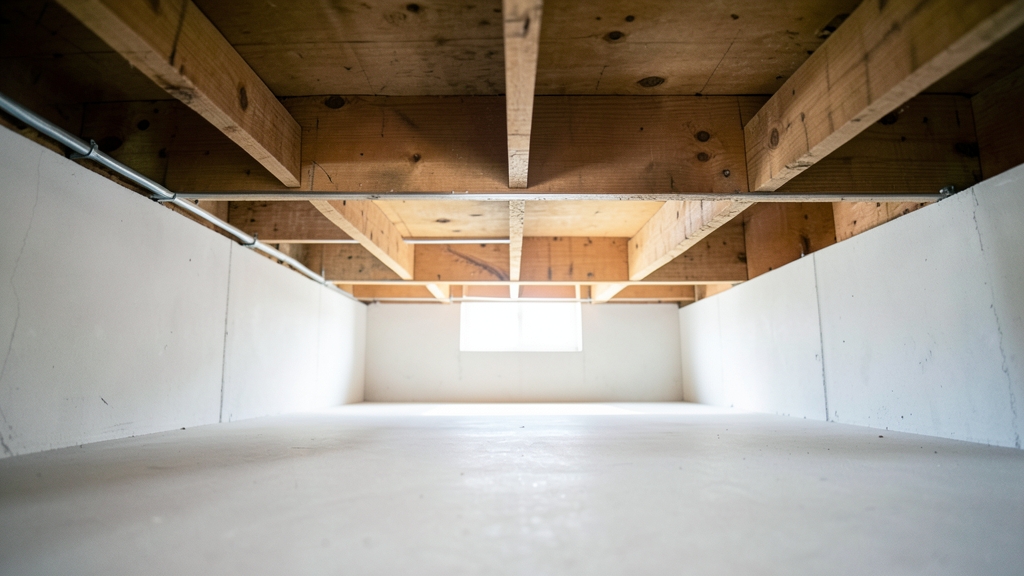
Crawl spaces and basements are high-risk due to ground moisture. Encapsulation with a vapor barrier, combined with a dehumidifier, can prevent recurrence. We also serve nearby areas like San Marcos and Escondido, where similar issues arise.
How to Safely Inspect for Hidden Mold
Follow these steps to check for mold in less obvious areas of your home.
- 1Gather Tools
Use a flashlight, moisture meter, and a screwdriver to probe suspicious areas. A respirator mask (N95 or better) and gloves are essential for safety.
- 2Check Common Hotspots
Inspect under sinks, behind appliances, inside cabinets, and around window frames. Pay special attention to areas with past water damage.
- 3Look for Signs
Search for discoloration, water stains, or warped materials. Mold may appear as dark spots or streaks, while mildew looks like a fine powder.
- 4Test for Moisture
Use a moisture meter to detect hidden dampness in walls, floors, or ceilings. Readings above 15-20% indicate a potential problem.
- 5Smell for Clues
A musty odor often signals hidden mold, even if it’s not visible. Trust your nose—if it smells off, investigate further.
- 6Document Findings
Take photos and notes of any suspicious areas. This helps professionals assess the scope if remediation is needed.
Frequently Asked Questions
Is mildew just early-stage mold?
No, mildew and mold are distinct fungi. Mildew remains on surfaces and is easier to remove, while mold can grow deep into materials and pose greater health risks. However, both thrive in moist environments.
Can bleach kill mold?
Bleach can kill surface mold on non-porous materials like tile or glass, but it doesn’t penetrate porous surfaces like drywall or wood. For those, a mold-specific cleaner or professional remediation is more effective.
Why does mold keep coming back in my bathroom?
Recurring mold usually means excess moisture isn’t being controlled. Improve ventilation with an exhaust fan, wipe down surfaces after showers, and consider a dehumidifier. If the problem persists, check for hidden leaks.
Is black mold dangerous?
Black mold (Stachybotrys) can produce mycotoxins that may cause health issues, especially for sensitive individuals. However, any mold in your home should be addressed promptly to prevent structural damage and health risks.
Do I need mold testing before remediation?
Testing isn’t always necessary if mold is visible, but it can help identify hidden mold or determine the type and spore count. Air quality testing is especially useful for confirming the extent of contamination or after remediation to verify success.
How does mold remediation work in Vista homes?
Our process starts with containment to prevent spore spread, followed by HEPA vacuuming, antimicrobial treatment, and removal of contaminated materials. We then address the moisture source and may recommend preventive measures like encapsulation or improved ventilation.