Protecting Your Lungs: Understanding Toxic Mold in Vista Homes
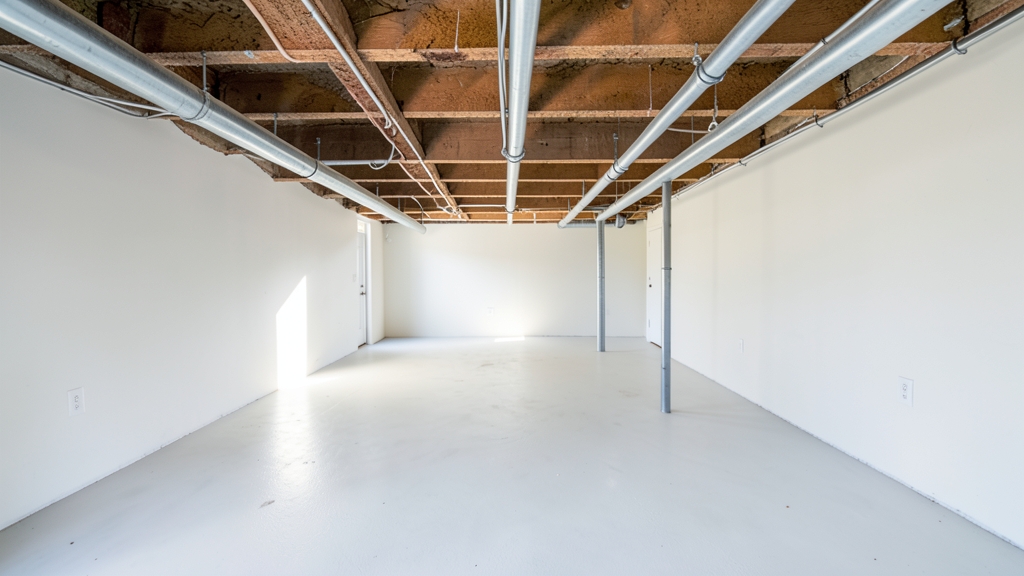
Toxic mold isn’t just an eyesore—it’s a silent threat to your lungs and long-term health. In our coastal climate, hidden moisture in walls, attics, or crawl spaces can fuel dangerous mold growth before you even notice it. We help homeowners understand the risks and take action before exposure escalates.
What Makes Mold 'Toxic' in a Home Environment?
The term 'toxic mold' typically refers to species like Stachybotrys chartarum (black mold) that produce mycotoxins—harmful compounds released into the air. These mycotoxins can trigger respiratory distress, headaches, and chronic fatigue with prolonged exposure.
Not all molds are toxic, but any mold growth indoors is a sign of excess moisture. In Vista’s mild, humid climate—especially near Oceanside or Carlsbad—condensation in attics or poor crawl space ventilation can accelerate spore spread.
Even non-toxic molds can worsen allergies, asthma, and immune responses. Children, the elderly, and those with pre-existing conditions are most vulnerable.
Common Signs of Toxic Mold Exposure
Early symptoms often mimic allergies: sneezing, itchy eyes, or a persistent cough. But unlike seasonal allergies, these issues worsen indoors and improve when you’re away from home.
Long-term exposure may lead to more severe reactions, including memory problems, joint pain, or skin rashes. If multiple household members experience unexplained health changes, mold could be the culprit.
Where Toxic Mold Hides in Vista Homes
Mold thrives in dark, damp areas. In our region, we frequently find it behind drywall after water damage, under sinks, or in basements and crawl spaces with poor drainage.
Attics are another hotspot. Inadequate ventilation traps moisture from daily activities, leading to condensation on rafters and sheathing. Homes in San Marcos or Escondido with older construction are especially prone to this issue.
HVAC systems can also spread spores. If your ducts are contaminated, every time the system runs, it may be circulating mold particles throughout your living spaces.
| Location | Why Mold Grows There | Potential Health Impact |
|---|---|---|
| Attics | Poor ventilation + condensation | Respiratory irritation, allergies |
| Crawl Spaces | High humidity + soil moisture | Chronic sinus issues, fatigue |
| Behind Drywall | Water leaks or flooding | Mycotoxin exposure, lung inflammation |
| HVAC Ducts | Dust + moisture buildup | Widespread spore distribution |
How Humidity and Climate Fuel Mold Growth
Vista’s Mediterranean climate means warm, dry summers but cooler, damp winters. This seasonal shift can create ideal conditions for mold if moisture isn’t controlled.
Indoor humidity above 60% significantly increases mold risk. Activities like cooking, showering, or even breathing add moisture to the air. Without proper ventilation, that moisture lingers.
The Link Between Mold and Respiratory Diseases
Studies show a clear connection between indoor mold exposure and respiratory conditions. Mycotoxins from toxic mold can inflame airways, exacerbate asthma, and even contribute to the development of chronic lung diseases.
In children, early exposure to mold has been linked to increased asthma rates. For adults with compromised immune systems, the risks are even higher, potentially leading to fungal lung infections.
Mold vs. Mildew: Know the Difference
Mildew is a surface mold that appears as a white or gray powdery substance, often on shower walls or windowsills. It’s easier to clean and less harmful than toxic mold.
Mold, on the other hand, penetrates surfaces and can grow undetected behind walls or under flooring. While mildew is a nuisance, mold—especially toxic varieties—poses serious health risks and requires professional remediation.
Bleach may remove surface mildew but won’t kill mold roots. For mold covering more than 10 square feet, or if it’s in your HVAC, call a professional.
When to Call a Mold Remediation Expert
If you see visible mold, smell a musty odor, or experience unexplained health symptoms, it’s time for a professional inspection. Mold testing and air quality testing can confirm the type and extent of contamination.
We also recommend an assessment after water damage, even if the area seems dry. Mold can begin growing within 24-48 hours, and hidden colonies can spread quickly without proper moisture control.
Preventing Toxic Mold Before It Starts
Start with moisture control: use dehumidifiers in damp areas, ensure proper ventilation in bathrooms and kitchens, and fix leaks promptly.
Regularly inspect your home for signs of water intrusion, especially after heavy rains. In Vista, homes near canyons or older neighborhoods may need extra attention to drainage and grading.
For crawl spaces and attics, consider encapsulation or improved ventilation. These areas are often overlooked but are prime mold breeding grounds.
Mold Prevention Checklist
- Monitor indoor humidity (keep below 60%)
- Use exhaust fans in bathrooms and kitchens
- Inspect roofs, gutters, and downspouts annually
- Seal cracks in foundations and walls
- Schedule annual HVAC maintenance
How to Safely Inspect for Hidden Mold
If you suspect mold but can’t see it, follow these steps to investigate further.
- 1Check for Musty Odors
Mold often has a distinct earthy or musty smell. If you notice this odor in specific areas, mold may be nearby.
- 2Look for Water Stains
Discoloration on walls, ceilings, or floors can indicate past or current water damage—and potential mold growth.
- 3Inspect Hidden Areas
Use a flashlight to check behind furniture, under sinks, and inside cabinets. Pay special attention to areas near pipes or windows.
- 4Use a Moisture Meter
These affordable tools can detect high moisture levels in walls or floors, even if the surface appears dry. Readings above 20% suggest a problem.
- 5Consider Professional Testing
If you find signs of mold or moisture but aren’t sure of the extent, a mold inspection with air quality testing provides definitive answers.
Frequently Asked Questions
Can toxic mold in my Vista home make my family sick?
Yes. Toxic mold exposure can cause respiratory issues, allergies, and other health problems, especially in children, the elderly, or those with weakened immune systems. Symptoms often improve once the mold is removed and the environment is cleaned.
How do I know if the mold in my home is toxic?
Visual inspection alone can’t confirm toxicity. Professional mold testing identifies the species and whether mycotoxins are present. Stachybotrys (black mold) is commonly toxic, but other types can also pose health risks.
Is it safe to stay in a home with toxic mold during remediation?
It depends on the severity. For small, contained areas, you may be able to stay with proper containment measures. For large infestations, especially in living spaces or HVAC systems, temporary relocation is often recommended.
Does homeowners insurance cover mold remediation in Vista?
Coverage varies by policy. Most standard policies cover mold damage if it’s the result of a sudden, accidental event like a burst pipe. However, they often exclude mold caused by long-term neglect or high humidity. Review your policy or request a quote from a remediation expert to understand your options.
Can mold return after remediation?
Yes, if the underlying moisture issue isn’t addressed. Effective remediation includes not just removing mold but also fixing leaks, improving ventilation, and controlling humidity. Without these steps, mold can regrow within weeks.
Are there specific neighborhoods in Vista more prone to mold?
Areas with older homes, poor drainage, or proximity to water sources (like near the San Luis Rey River) may have higher mold risks. However, any home with moisture issues—regardless of location—can develop mold. Regular inspections are key.